
Categories & subcategories (27)
History of Persian Dance [part 3]
Narges Fallahfar · 2025-06-27 · 2 min read · 10 views · Dance · Literature
The history of persian dance PART 3
first researched dance in Iranian history is the dance of worshiping Mitra (Kishe Mitra), the image of Mitra shows that a bull was sacrificed.
This dance was for vitality and freshness in life. Ancient Iran was occupied by foreign powers, first the Greeks, then the Arabs and the Mongols, and in each of these periods it suffered political instability and civil wars, and during these changes, the dance traditions were lost slowly.
During the Achaemenid Empire, in addition to learning how to read, the principles of dance were also taught in Iran. During this period, there was dance, song and music for joy in the celebrations of different classes of Iranian people, but no data is provided about the type of dances and the details of the movements. But in general, Achaemenid art was the purest form of ancient Middle Eastern art and its peak.
After Alexander's invasion of Iran and the introduction of Greek culture and the establishment of Parthian rule, the beliefs and rituals of Iranians changed and new dances were introduced.
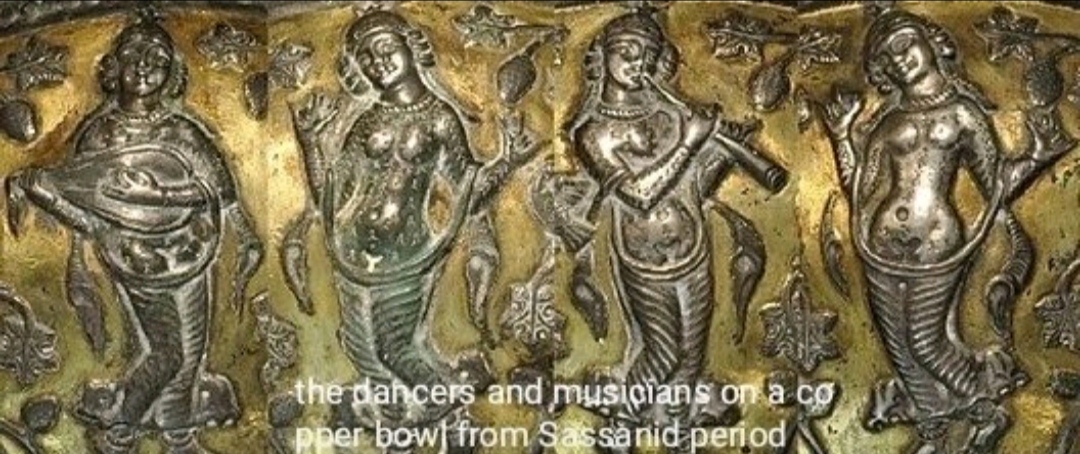
During the Sassanid Empire, great respect was given to music and its companions. This interest also led to attention to dance. Until the collapse of the Sassanid Empire and the Arab conquest of Iran, dance was considered an accepted social phenomenon and an inseparable part of Iranian culture.
The religious prohibition of dance in Iran came about with the spread of Islam, but it was stimulated by various historical events. In the Safavid era, the prohibition of music prevented this art from progressing. In this period, the rank and position of musicians was greatly reduced, but it was not completely eliminated.
At court parties and when ambassadors were present, music and dance were consi
dered
NilufarFallah PersianDance DanceArticle

Comments (0)
Log in to comment